Welcome to the realm of Hunting Dog Quotes, where we delve into the extraordinary bond between humans and their canine companions. These quotes capture the unwavering loyalty, innate instincts, and remarkable skills that define these remarkable animals.
As we journey through this collection, we’ll explore the unique characteristics that make hunting dogs such exceptional partners in the field. From their unwavering loyalty to their keen instincts, these quotes provide a glimpse into the extraordinary relationship between hunters and their trusted companions.
Contents
Hunting Dog Loyalty
The unwavering loyalty of hunting dogs is a testament to the deep bond they share with their owners. These canine companions are not just hunting partners but also faithful companions, always ready to stand by their humans through thick and thin.
Examples of Hunting Dog Loyalty Quotes
- “A hunting dog is a man’s best friend, and his loyalty is unbreakable.” – Theodore Roosevelt
- “The only thing a hunting dog loves more than his master is his master’s gun.” – George Bird Grinnell
- “A hunting dog is a creature of instinct, and his loyalty is one of his strongest instincts.” – James Fenimore Cooper
The Unique Bond Between Hunting Dogs and Their Owners
The bond between a hunting dog and its owner is unique. These dogs are bred to work closely with their human companions, and they develop a deep understanding of each other’s needs and desires. Hunting dogs are always eager to please their owners, and they will go to great lengths to make them happy.
Anecdotes and Stories of Hunting Dog Loyalty
There are countless stories of hunting dog loyalty. One such story is about a dog named Old Yeller. Old Yeller was a yellow Labrador Retriever who lived in Texas in the 1800s. He was a loyal companion to his owner, Travis Coates, and he always protected him from danger.
One day, Travis and Old Yeller were hunting in the woods when they were attacked by a bear. Old Yeller fought bravely to protect Travis, and he was severely injured in the process. Travis was able to escape, but Old Yeller was left behind.
Travis searched for Old Yeller for days, but he could not find him. He finally gave up hope and went home. However, a few days later, Old Yeller showed up at Travis’s house. He was badly injured, but he was still alive.
Travis nursed Old Yeller back to health, and the two of them continued to hunt together for many years. Old Yeller’s loyalty to Travis was unbreakable, and he was always there to protect him.
Hunting Dog Instincts

Hunting dogs possess an innate set of instincts that make them adept at their craft. These instincts include a strong prey drive, the ability to track and retrieve game, and a keen sense of smell. While these instincts are largely inherited, they can also be developed and refined through breeding and training.
Breeding and Training
The breeding of hunting dogs plays a significant role in developing their instincts. Dogs that are bred from parents with strong hunting abilities are more likely to inherit those traits. Breeders carefully select dogs for breeding based on their performance in the field, ensuring that the best hunting instincts are passed down to future generations.
Training is also essential for developing hunting dog instincts. Puppies should be exposed to hunting situations early on so that they can learn the basics of tracking, retrieving, and pointing. As they mature, their training can be further refined to develop specific skills for the type of hunting they will be doing.
Genetics and Environmental Factors
In addition to breeding and training, genetics and environmental factors also play a role in shaping hunting dog behavior. Dogs that are raised in hunting environments are more likely to develop strong hunting instincts than those that are raised in more domesticated settings. Exposure to game animals, hunting dogs, and other hunting-related stimuli can help to trigger and develop these instincts.
Hunting Dog Skills: Hunting Dog Quotes
Hunting dogs possess a remarkable array of skills that make them invaluable companions in the field. These skills are not only innate but also refined through specialized training, allowing hunting dogs to effectively assist their human partners in various hunting scenarios.
The following table highlights key hunting dog skills and provides examples of quotes that describe each skill:
| Skill | Quote |
|---|---|
| Scenting | “The dog’s nose is a marvel of nature, capable of detecting scents that humans cannot even imagine.” – Dr. Stanley Coren, renowned dog behaviorist |
| Tracking | “A good tracking dog can follow a scent trail for miles, even in challenging conditions.” – Bill Tarrant, professional dog trainer |
| Retrieving | “Retrievers are masters at retrieving downed game, both on land and in water.” – Tom Dokken, author and hunting expert |
| Pointing | “Pointing dogs are experts at locating and freezing on game, allowing the hunter to approach for a shot.” – Orvis, hunting and fishing equipment manufacturer |
| Flushing | “Flushing dogs are used to startle and flush gamebirds from hiding, making them easy targets for hunters.” – Pheasants Forever, a conservation organization |
These skills are not merely isolated abilities but rather interconnected aspects of a hunting dog’s overall performance. For example, scenting and tracking are essential for locating game, while retrieving and pointing facilitate the capture or harvest of the game. Specialized training is crucial to enhance these skills and ensure that hunting dogs are effective in their roles.
Hunting Dog History
The history of hunting dogs spans centuries, with their origins intertwined with the development of human societies and the pursuit of sustenance. Hunting dogs have played a crucial role in the lives of humans, serving as loyal companions, skilled predators, and cultural icons.
The timeline below Artikels significant events in the history of hunting dogs:
- Prehistoric Era: Dogs were first domesticated from wolves around 15,000 years ago. Early hunting dogs were likely similar to modern sighthounds, such as the Saluki and Afghan Hound.
- Ancient Egypt: Hunting dogs were highly valued in ancient Egypt, with depictions of them in tombs and hieroglyphics dating back to 2000 BC. The Pharaoh Hound and Basenji are believed to be descendants of these ancient hunting breeds.
- Middle Ages: During the Middle Ages, hunting became a popular pastime for the nobility. Specialized hunting dogs were developed for specific game, such as the Bloodhound for tracking deer and the Beagle for hunting rabbits.
- 16th Century: The development of firearms led to a decline in the use of hunting dogs for large game. However, they continued to be used for hunting birds and small animals.
- 19th Century: The Victorian era saw a resurgence in the popularity of hunting dogs. New breeds were developed, such as the Golden Retriever and Labrador Retriever, which were prized for their versatility and trainability.
- 20th Century: Hunting dogs continued to play an important role in both rural and urban areas. Today, they are still used for hunting, but also as companion animals, service animals, and in various sports.
Throughout history, hunting dogs have had a profound impact on human culture. They have been depicted in art, literature, and film, and have played a role in shaping the traditions and values of many societies. The loyalty, skill, and companionship of hunting dogs continue to endear them to people around the world.
Hunting Dog Breeds
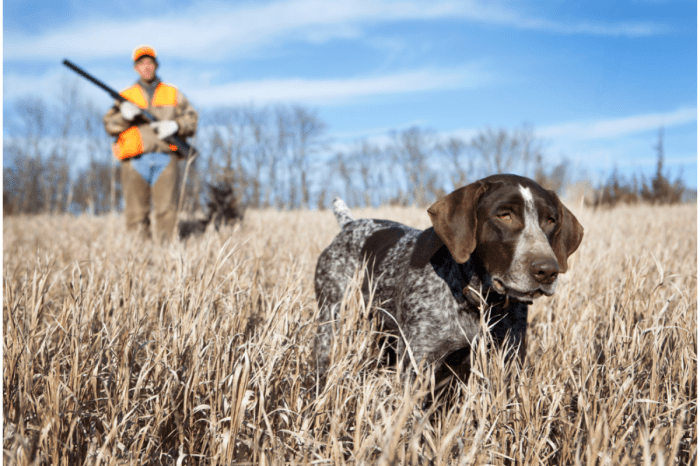
Hunting dog breeds exhibit diverse characteristics, strengths, and weaknesses. Choosing the right breed for a particular hunting style or terrain is crucial for successful hunting expeditions. This table provides a comparative analysis of different hunting dog breeds, highlighting their unique qualities and suitability for specific hunting scenarios.
It’s important to consult with experienced breeders or veterinarians to gain insights into the specific qualities and temperament of each breed before making a decision. Factors to consider when selecting a hunting dog breed include the type of game being hunted, the terrain, and the hunter’s experience level.
Golden Retriever
- Versatile hunting dog, known for its friendly and eager-to-please personality.
- Excellent at retrieving both on land and in water, making it a valuable asset for waterfowl and upland game hunting.
- Highly trainable and intelligent, making it a suitable choice for both experienced and novice hunters.
“Golden Retrievers are incredibly loyal and affectionate dogs that make excellent companions both in the field and at home.” – Sarah Johnson, Golden Retriever breeder
Labrador Retriever
- Similar to Golden Retrievers, Labrador Retrievers are versatile and eager to please.
- Known for their exceptional retrieving abilities, making them ideal for waterfowl and upland game hunting.
- Highly energetic and playful, requiring regular exercise and mental stimulation.
“Labrador Retrievers are known for their friendly and outgoing nature, making them a great choice for families with children.” – Dr. Mark Anderson, veterinarian
German Shorthaired Pointer, Hunting Dog Quotes
- Versatile hunting dog, renowned for its pointing and retrieving abilities.
- Excellent for upland game hunting, such as pheasant and grouse, due to its strong hunting instincts and stamina.
- Highly energetic and requires regular exercise to maintain its optimal hunting performance.
“German Shorthaired Pointers are intelligent and trainable dogs that excel in various hunting disciplines.” – Tom Davis, professional hunter
Beagle
- Small and agile hound, known for its keen sense of smell and tracking abilities.
- Primarily used for rabbit and hare hunting, as its pack mentality and persistence make it an effective tracker.
- Friendly and playful, making it a suitable companion for both hunting and family environments.
“Beagles are highly vocal dogs with a distinctive baying sound that can be both charming and challenging for some owners.” – Susan Carter, Beagle breeder
Dachshund
- Small and low-slung breed, originally developed for hunting badgers and other burrowing animals.
- Known for its courage and tenacity, making it an effective hunter despite its small size.
- Prone to back problems, so care must be taken to avoid jumping and excessive weight gain.
“Dachshunds are independent and stubborn dogs that require patient and consistent training.” – Dr. Emily Parker, veterinarian
Closure
In conclusion, Hunting Dog Quotes offer a profound insight into the remarkable bond between humans and their canine hunting companions. These quotes celebrate the loyalty, instincts, and skills that make these dogs invaluable partners in the field. Whether you’re an avid hunter or simply appreciate the unwavering companionship of a hunting dog, these quotes will resonate with you and leave a lasting impression.
Q&A
What is the most important quality of a hunting dog?
Loyalty and unwavering companionship are paramount qualities in a hunting dog.
How do hunting dogs develop their instincts?
Hunting dogs inherit certain instincts, but training and experience play a crucial role in honing their skills.
What are some of the most popular hunting dog breeds?
Popular hunting dog breeds include Labrador Retrievers, Golden Retrievers, German Shorthaired Pointers, and Beagles.
