Disc Brake Conversion Kit Bike sets the stage for this enthralling narrative, offering readers a glimpse into a story that is rich in detail and brimming with originality from the outset. As we delve into the fascinating world of disc brake conversion kits for bikes, we will uncover the compelling benefits, explore the diverse types, dissect the intricate components, and provide expert guidance on installation and troubleshooting. Prepare to be captivated as we embark on this educational journey, leaving you fully equipped to transform your bike’s braking capabilities.
Disc brake conversion kits have emerged as game-changers in the cycling industry, empowering riders with unparalleled stopping power, modulation, and durability. These innovative kits offer a seamless upgrade path for bikes of various models, making it easier than ever to experience the exceptional performance of disc brakes. Whether you’re an avid mountain biker navigating treacherous trails or a casual commuter seeking enhanced safety, this comprehensive guide will provide you with the knowledge and insights you need to make an informed decision and elevate your cycling experience.
Contents
- 1 Benefits of Disc Brake Conversion Kits for Bikes
- 2 Types of Disc Brake Conversion Kits
- 3 Components of a Disc Brake Conversion Kit
- 4 Installation Considerations for Disc Brake Conversion Kits
- 5 Troubleshooting Common Issues with Disc Brake Conversion Kits: Disc Brake Conversion Kit Bike
- 6 Summary
- 7 FAQ Section
Benefits of Disc Brake Conversion Kits for Bikes
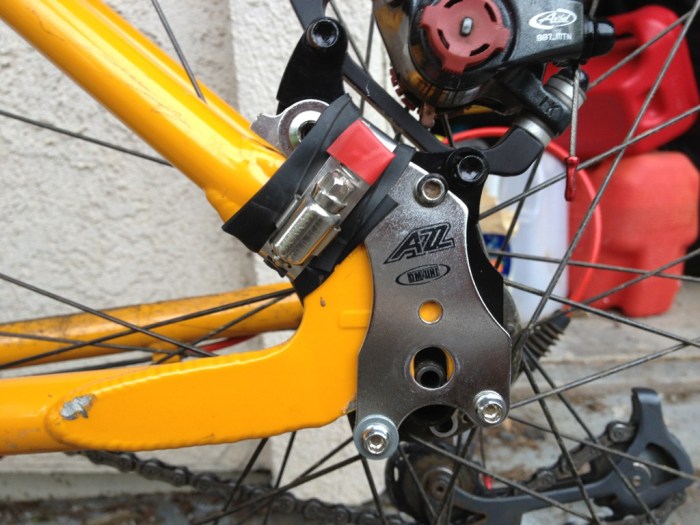
Disc brakes have become increasingly popular in the cycling world due to their superior performance compared to traditional rim brakes. Disc brake conversion kits offer a convenient and cost-effective way to upgrade your bike with these advanced braking systems.
Improved Stopping Power
Disc brakes provide significantly improved stopping power compared to rim brakes. The larger surface area of the brake pads and the increased leverage provided by the disc rotors allow for greater friction and more efficient heat dissipation, resulting in shorter stopping distances, even in wet or muddy conditions.
Enhanced Modulation
Disc brakes offer better modulation than rim brakes, meaning you have greater control over the amount of braking force applied. This is especially beneficial in technical terrain or when navigating slippery surfaces, allowing you to adjust the braking force with precision.
Increased Durability
Disc brakes are more durable than rim brakes, as they are less susceptible to wear and tear. The brake pads are protected from the elements, and the disc rotors are made of hardened steel, making them resistant to deformation and heat buildup.
Compatibility and Ease of Installation
Disc brake conversion kits are designed to be compatible with a wide range of bike models, making it easy to upgrade your bike’s braking system. The kits typically include all the necessary components, such as the brake calipers, rotors, and mounting hardware, and can be installed with basic tools and mechanical knowledge.
Types of Disc Brake Conversion Kits

Disc brake conversion kits for bikes come in two main types: mechanical and hydraulic. Each type offers unique advantages and disadvantages, catering to different needs and preferences.
Mechanical Disc Brake Conversion Kits, Disc Brake Conversion Kit Bike
Mechanical disc brake conversion kits utilize cables to transmit force from the brake lever to the brake caliper. These kits are generally more affordable and easier to install compared to hydraulic systems. However, they may require more frequent adjustments and can be less responsive than hydraulic brakes.
Hydraulic Disc Brake Conversion Kits
Hydraulic disc brake conversion kits use a fluid-filled line to transfer force from the brake lever to the brake caliper. These kits offer greater braking power, modulation, and consistency compared to mechanical systems. However, they are more expensive and require more complex installation and maintenance procedures.
Components of a Disc Brake Conversion Kit
Disc brake conversion kits for bikes typically include a range of components that work together to replace the existing rim brakes with disc brakes. These components play specific roles in the braking system, ensuring efficient and reliable stopping power.
Rotors
Rotors, also known as discs, are circular metal discs that are mounted to the wheel hub. When the brake is applied, the brake pads squeeze the rotors, creating friction that slows down the wheel’s rotation.
Calipers
Calipers are the housing units that hold the brake pads. They are mounted on the frame or fork and use hydraulic pressure or mechanical force to move the brake pads towards the rotors.
Adapters
Adapters are used to mount the calipers to the frame or fork. They are necessary to ensure proper alignment and compatibility between the calipers and the bike’s frame.
Hoses
Hoses are flexible tubes that connect the brake levers to the calipers. They transmit hydraulic fluid or mechanical force from the levers to the calipers, activating the brake pads.
Installation Considerations for Disc Brake Conversion Kits

Before embarking on a disc brake conversion, several crucial factors must be taken into account to ensure compatibility and optimal performance. These include the compatibility of the kit with the bike’s frame and fork, the appropriate rotor size, and the routing of brake cables or hydraulic lines.
Compatibility
The disc brake conversion kit should be compatible with the bike’s frame and fork. This includes ensuring that the frame and fork have the necessary mounting points for the disc brake calipers and rotors. It is also important to check the axle diameter of the bike’s wheels to ensure that the kit includes the correct adapters.
Rotor Size
The size of the disc brake rotors should be appropriate for the bike’s intended use. Larger rotors provide more braking power, but they also add weight and can be more difficult to fit on certain bikes. For most mountain bikes, rotors with a diameter of 160mm or 180mm are suitable. Road bikes typically use smaller rotors, with a diameter of 140mm or 160mm.
Cable Routing
The routing of the brake cables or hydraulic lines must be carefully considered to ensure that they are protected from damage and do not interfere with other components of the bike. Internal cable routing, where the cables or lines are routed through the frame, provides a clean and protected installation. However, it can be more difficult to install and maintain. External cable routing is simpler to install, but the cables or lines are more exposed to damage.
Troubleshooting Common Issues with Disc Brake Conversion Kits: Disc Brake Conversion Kit Bike

Installing a disc brake conversion kit on your bike can enhance braking performance, but it’s essential to be aware of potential issues that may arise. This section will identify common problems and provide troubleshooting tips to ensure optimal brake function.
Brake Noise
Brake noise can be caused by various factors. Here’s how to troubleshoot and resolve it:
- Contaminated brake pads: Clean the brake pads with isopropyl alcohol and inspect for wear or damage. Replace if necessary.
- Glazed brake pads: Sand the brake pads lightly to remove the glazed surface, which reduces friction and causes noise.
- Misaligned brake pads: Adjust the brake caliper to ensure the pads are evenly contacting the rotor.
Poor Stopping Power
If your brakes lack stopping power, consider the following:
- Air in the brake lines: Bleed the brake lines to remove any trapped air, which can reduce hydraulic pressure.
- Worn brake pads: Replace worn brake pads with new ones to restore friction.
- Contaminated brake fluid: Flush and replace the brake fluid if it appears discolored or contaminated.
Leaks
Leaks in a disc brake system can compromise braking performance. Here’s how to identify and fix them:
- Leaking brake lines: Inspect the brake lines for any cracks, punctures, or loose connections. Replace damaged lines.
- Leaking brake calipers: Check for leaks around the caliper pistons or seals. If leaking, replace the caliper or rebuild it with new seals.
- Leaking master cylinder: Inspect the master cylinder for leaks. If leaking, replace the master cylinder.
Summary

As we conclude our exploration of Disc Brake Conversion Kit Bike, we hope you have gained a newfound appreciation for the transformative power of these kits. By embracing the superior braking performance, versatility, and ease of installation that disc brakes offer, you can unlock a new level of control and confidence on your bike. Whether you’re tackling technical descents, navigating busy city streets, or simply seeking a more enjoyable riding experience, a disc brake conversion kit is an investment that will pay dividends for years to come. So, embrace the future of cycling, upgrade your ride with a disc brake conversion kit, and experience the thrill of enhanced braking performance.
FAQ Section
What are the key benefits of disc brakes over traditional rim brakes?
Disc brakes offer superior stopping power, improved modulation, and enhanced durability compared to traditional rim brakes.
What are the different types of disc brake conversion kits available?
Disc brake conversion kits come in two main types: mechanical and hydraulic systems, each with its own advantages and disadvantages.
What components are typically included in a disc brake conversion kit?
A typical disc brake conversion kit includes rotors, calipers, adapters, hoses, and mounting hardware.
What are the key factors to consider when installing a disc brake conversion kit?
Compatibility with the bike frame and fork, rotor size, and cable routing are crucial factors to consider during installation.
What are the most common issues that may arise with disc brake conversion kits and how can they be resolved?
Common issues include brake noise, poor stopping power, and leaks, which can be addressed through adjustments, inspections, and component replacements.